In the event of a university-wide emergency, WashU students, faculty, and staff will receive an emergency message, or WashUAlert, providing basic information about the type of emergency, safety instructions.
Tornadoes are common in the Midwest, and the St. Louis area is especially vulnerable. These violently rotating columns of air can reach speeds over 200 mph, carving paths more than a mile wide and several miles long.
Winter weather in the St. Louis region can change quickly, bringing snow, ice, freezing rain, and dangerously cold temperatures. These conditions can impact travel, utilities, and personal safety.

Hazard preparedness

Explore information for the specific hazards that are most likely to impact the WashU campuses:
NOAA All – Hazards Weather Radio

The National Oceanic and Atmospheric Administration (NOAA) All-Hazards Weather Alert Radio is a quick way to receive weather warnings and information, providing advanced warnings for protective actions before an emergency. Recommended models with Specific Area Message Encoding (S.A.M.E) technology, such as the Midland Radio WR120 and WR300, can be purchased through Workday. The WR120 can be programmed to receive alerts for specific counties, while the WR300 also allows customization of the types of hazard alerts received. For more information, please visit the NOAA website.

Ready.gov
National public service site and resource to assist people in preparing for and responding to both natural and man-made disasters.

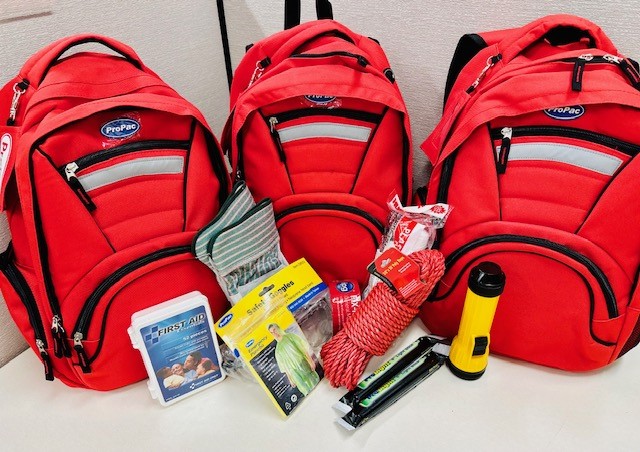
Build a Kit
Assemble your own emergency preparedness kit.